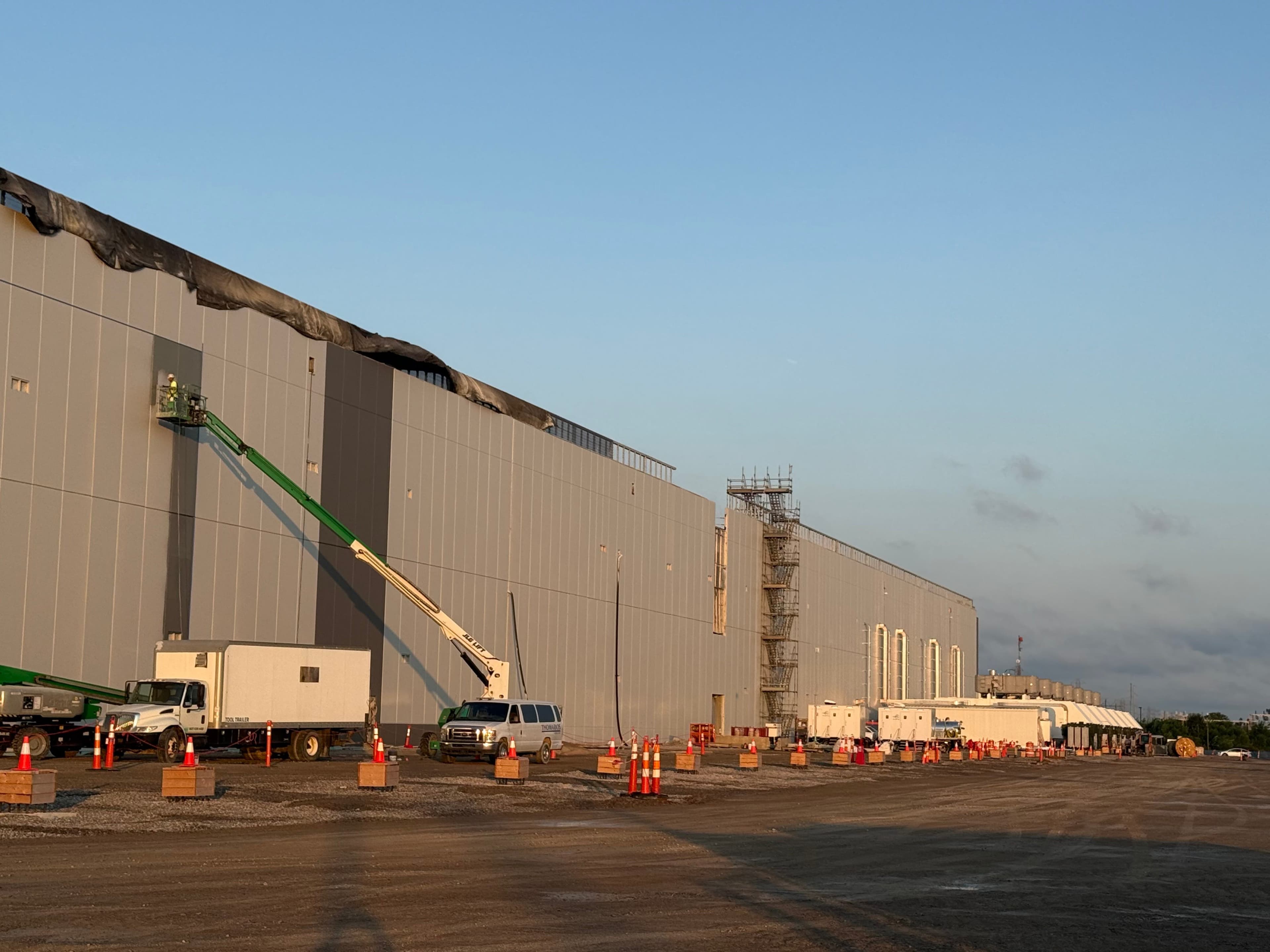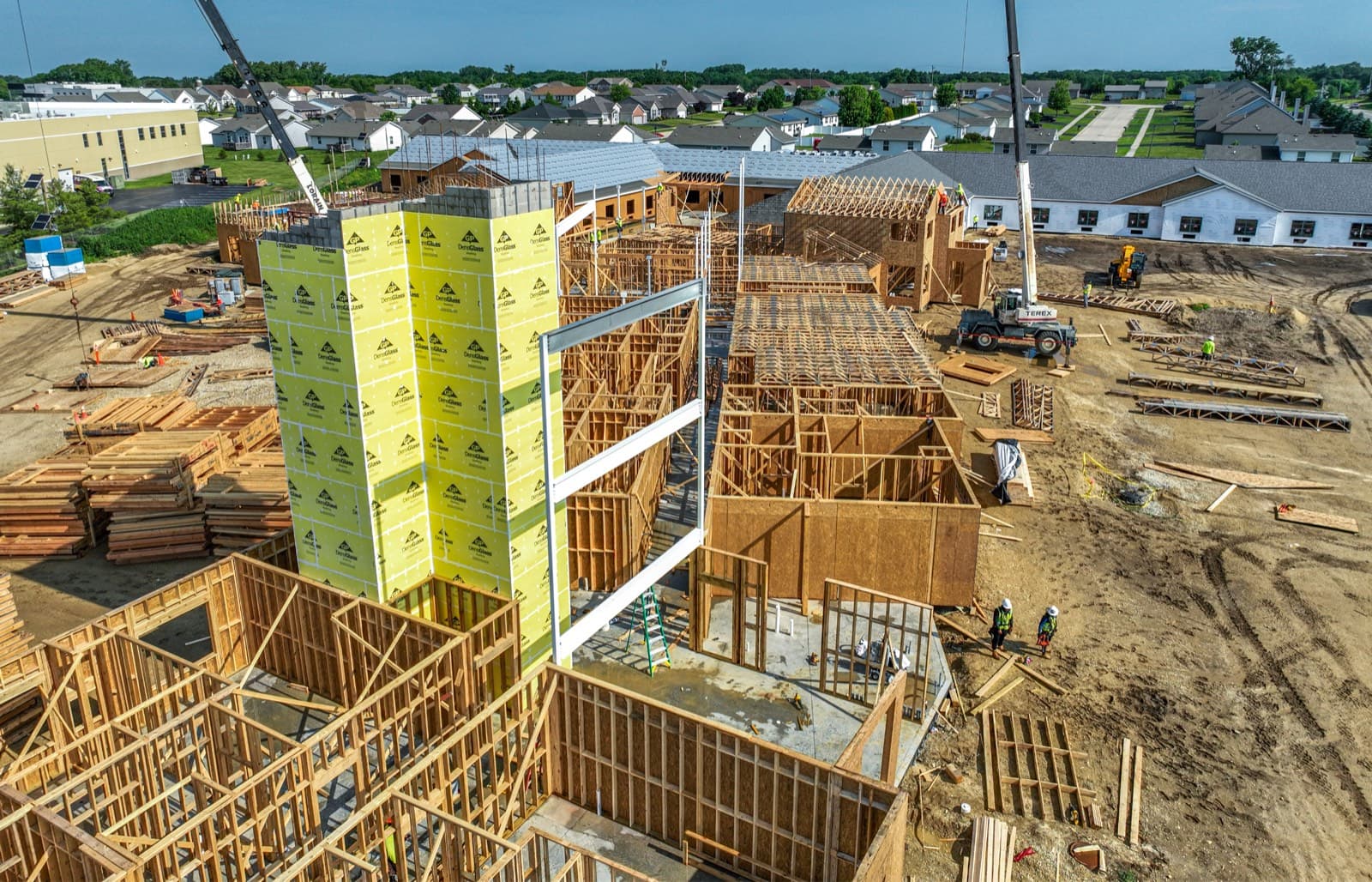
Warehouse construction in the Fort Worth area requires careful upfront planning to ensure the finished facility supports efficient operations from day one. Whether you are developing a build-to-suit distribution center or a speculative warehouse shell, the planning decisions you make early will directly impact the building's long-term performance and value.
Site selection is the foundation of any warehouse project. Key considerations include proximity to major transportation routes like I-35W, I-20, and the BNSF intermodal facility, as well as utility availability, zoning compatibility, and room for future expansion. Fort Worth's western growth corridors — particularly areas near Alliance Airport and Haslet — continue to attract warehouse developers seeking strategic logistics positions.
Building configuration planning should start with operational requirements. Clear height, column spacing, dock door count, and truck court depth all need to align with the intended use. A last-mile delivery facility has very different requirements than a bulk distribution center or cold storage warehouse.
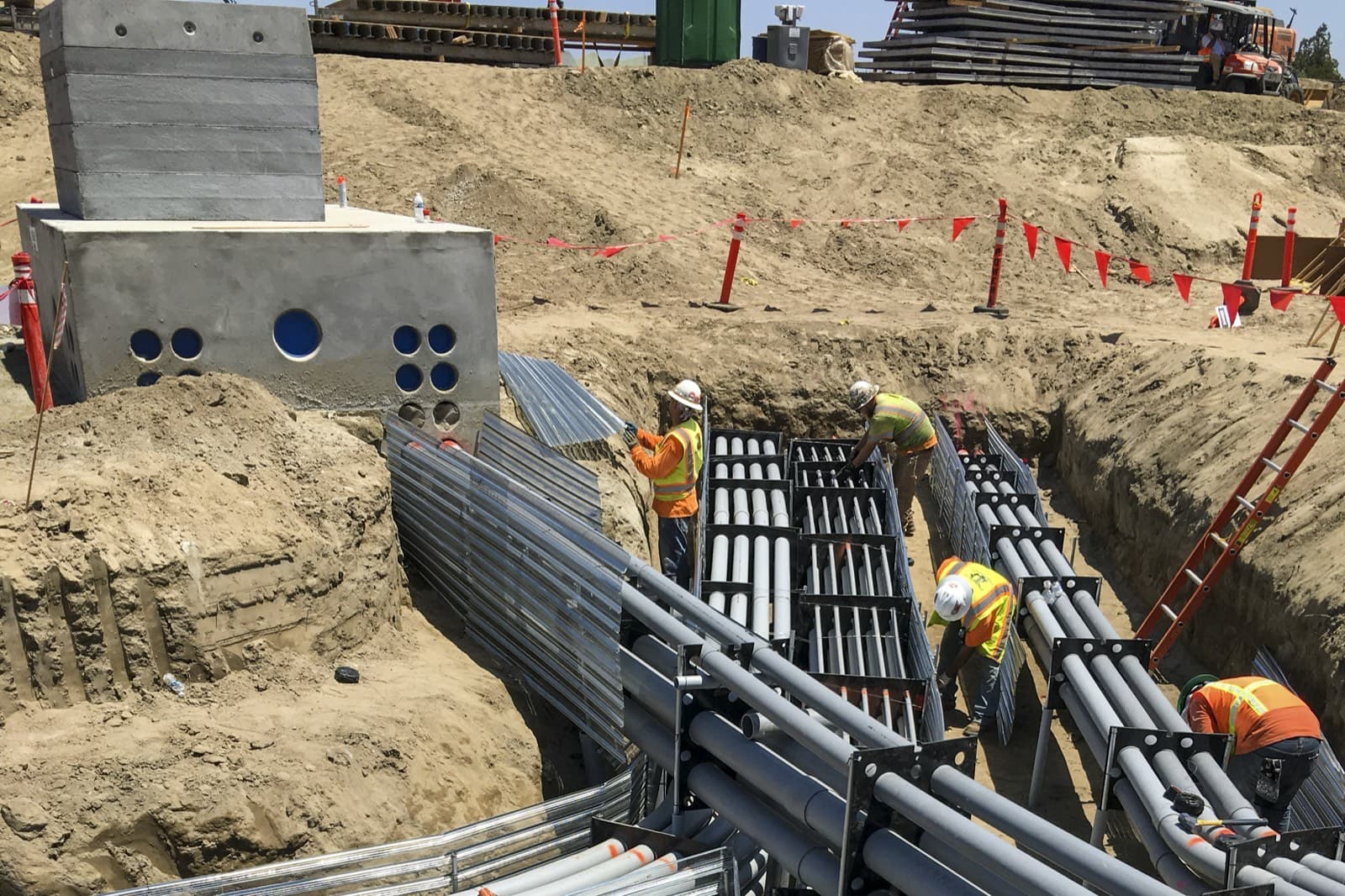
Civil and site development work often represents 15% to 25% of total warehouse construction cost. Detention ponds, utility infrastructure, truck circulation, and employee parking all require coordination with local jurisdictions. In Fort Worth and surrounding municipalities, stormwater management requirements can significantly impact site layout and development cost.
The building envelope — typically tilt-wall panels for North Texas warehouse projects — must be coordinated with foundation design, dock equipment, and future tenant requirements. Speculative developers often include provisions for additional dock doors, office space expansion, and utility capacity that allow flexibility for different tenant configurations.
Engaging a general contractor during the planning phase — before construction documents are complete — provides valuable input on constructability, local cost conditions, and schedule optimization. This early involvement helps owners make informed decisions that reduce surprises during the build phase.