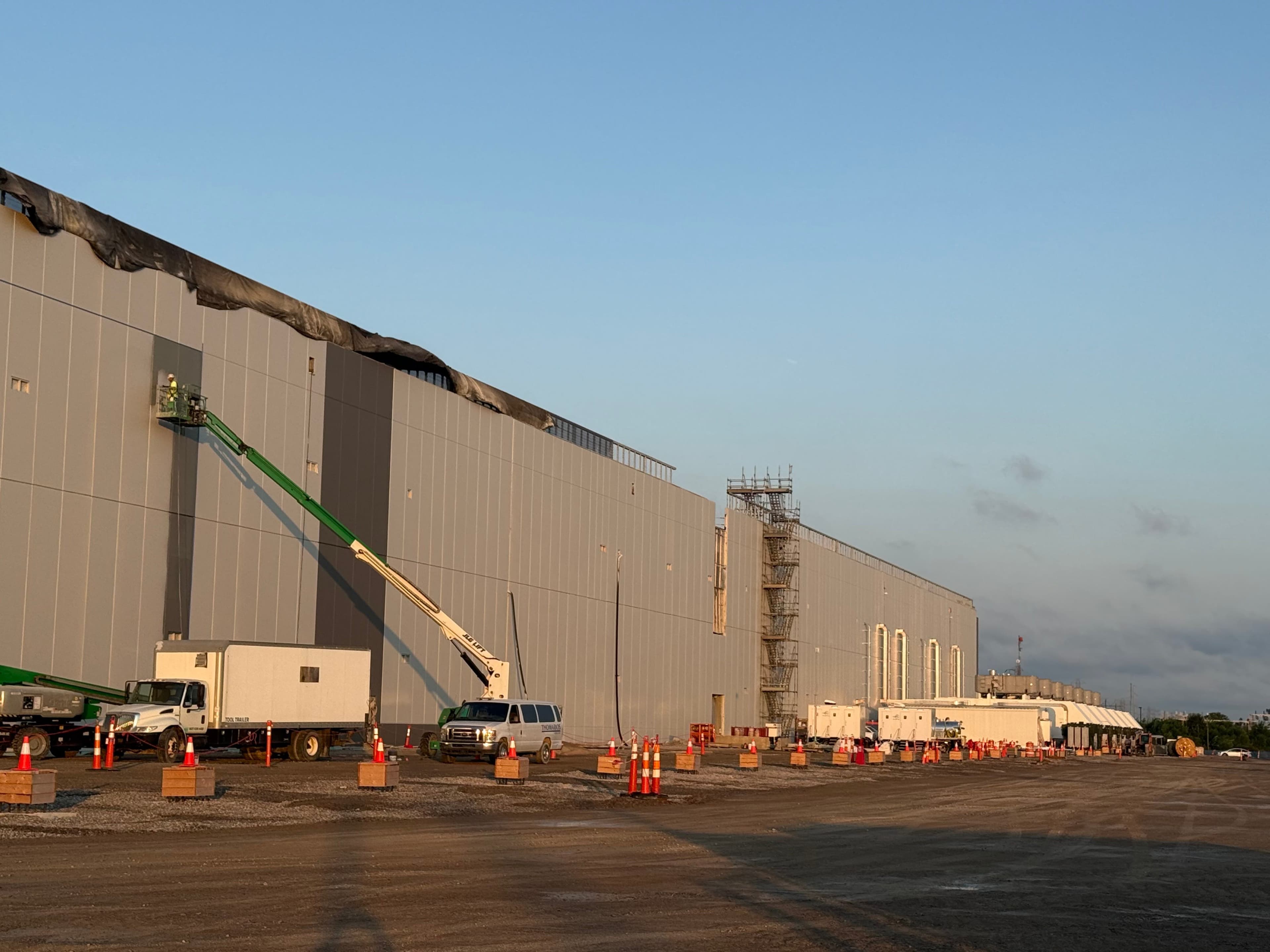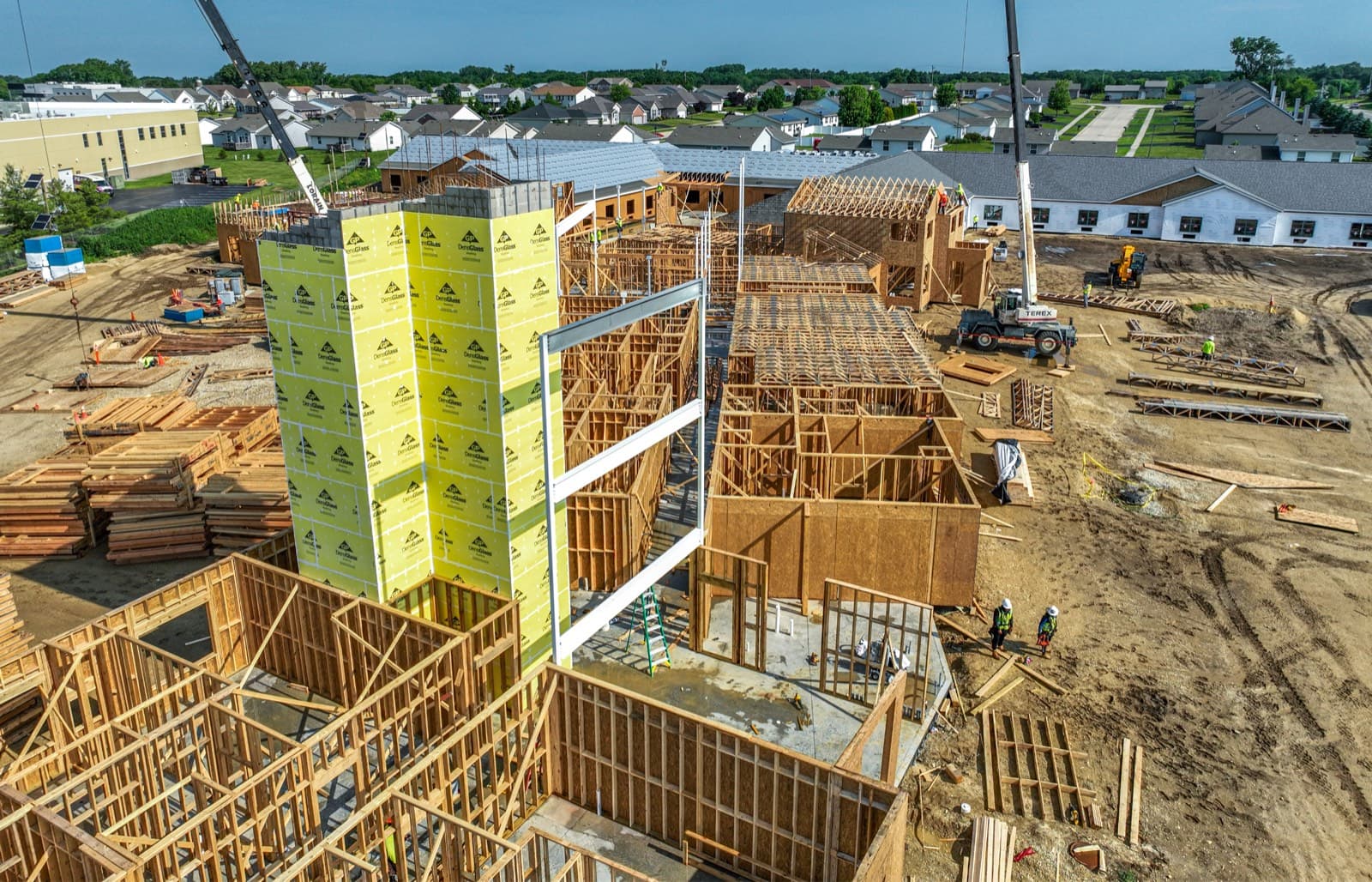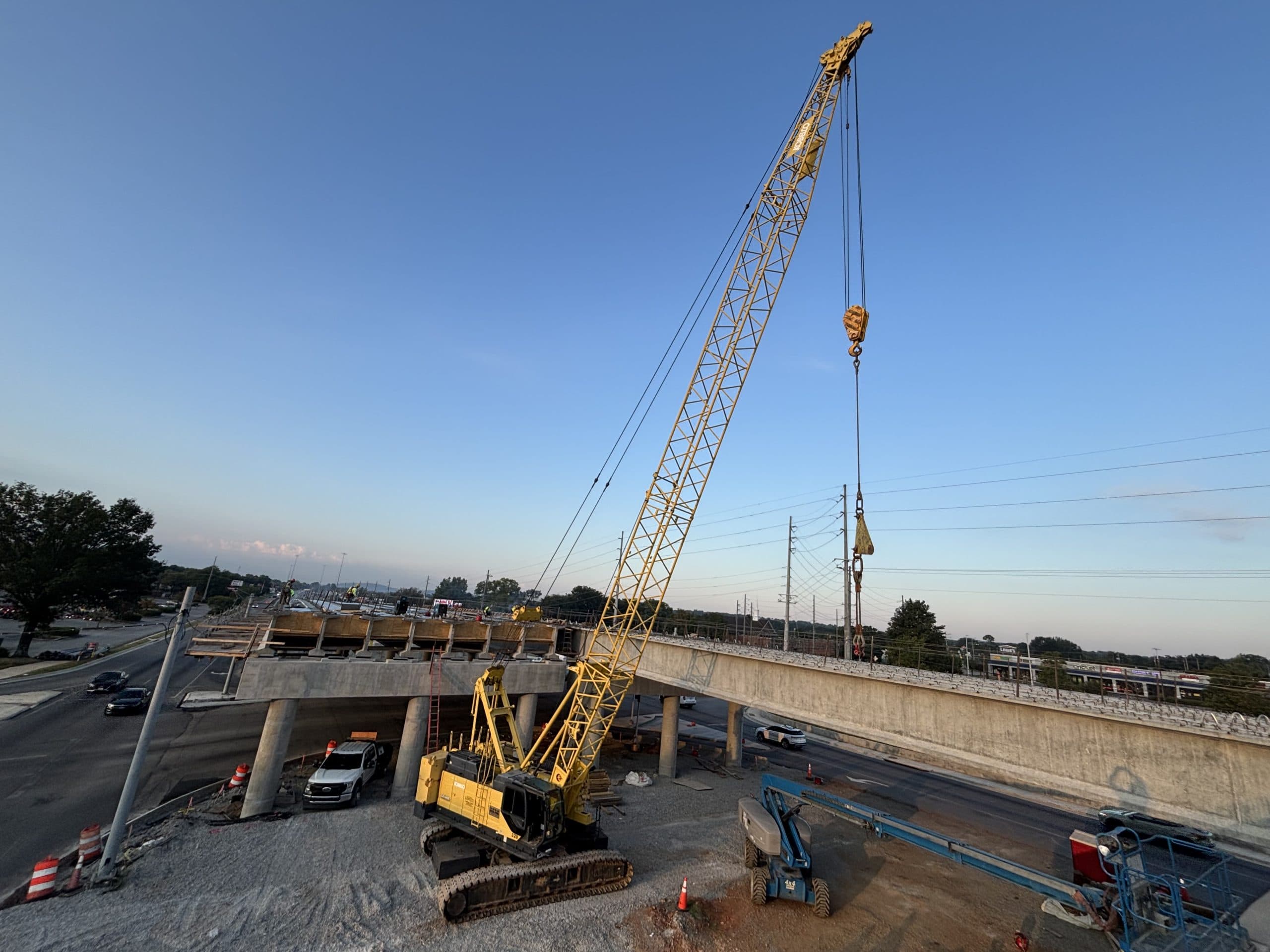
Preconstruction is the planning phase that happens before construction begins — and it is arguably the most important phase of any commercial project. In the Fort Worth market, where labor availability, material lead times, and permitting timelines can all create schedule pressure, thorough preconstruction planning is what separates smooth projects from chaotic ones.
During preconstruction, the general contractor works alongside the owner and design team to review drawings, identify potential conflicts, validate budgets, and develop a realistic construction schedule. This collaborative process catches problems early — when they are inexpensive to fix — rather than in the field, where changes can cost ten times more.
Value engineering is a key component of preconstruction. This is the process of analyzing building systems and materials to find cost-effective alternatives that maintain performance. For example, a preconstruction review might identify that a different structural system could reduce foundation costs by 15% without compromising building performance.
Permitting coordination is another area where preconstruction delivers value. Fort Worth and surrounding Tarrant County jurisdictions each have specific submittal requirements, review timelines, and inspection protocols. A contractor who maps the permit path early can avoid weeks of delay that catch unprepared teams off guard.
Long-lead material procurement is also addressed during preconstruction. Items like structural steel, custom mechanical equipment, and specialty electrical components can have lead times of 12 to 20 weeks. Identifying these items early and placing orders before construction starts keeps the schedule intact.
For Fort Worth property owners and developers, investing in preconstruction services typically reduces total project cost by 5% to 10% compared to projects that skip this phase. The return comes from fewer change orders, tighter schedules, and better-coordinated trade work.